In the classroom, my objective is to develop students’ sociological imaginations, helping them understand how social scientists transform observations of everyday life into data and theory. In each class, I create structured opportunities for reflection, discussion, and interaction to refine students’ analytical skills. Simultaneously, I design scaffolded assessments that build research skills, from writing a research question all the way to crafting a proposal.
Teaching Experience
I have been instructor of record for an introductory course in family sociology, an upper-level course in the sociology of mental health and illness, and a co-taught first-year seminar in gender equity in STEM. I’ve also supported undergraduate students as a graduate teaching assistant for introductory courses in sex & gender, race & ethnicity, population studies, population health, and sociology of food & food justice.
Reflection & Interaction
I build dedicated space for reflection the classroom, often opening class with individual reflection, before moving to a discussion-forward lecture. Usually, we’ll close class with an active learning activity that brings it all together. Interactive activities create more adaptive learners and make the classroom more inclusive by integrating multiple learning styles.
Research-Based Assessments
Students have scaffolded opportunities to design, implement, and disseminate a structured, but creative and personalized research project. Research-based assessments help students develop their research skills, including writing research questions, creating data collection instruments, and collecting qualitative data. Students also learn valuable aspects of participating in a social scientific community by collaborating with their peers, presenting their findings, and giving/receiving feedback in a safe and supportive environment.
Creative Writing in Sociology
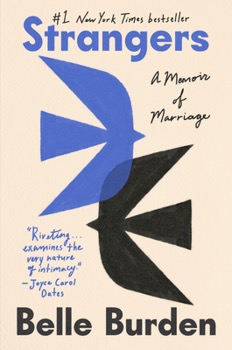
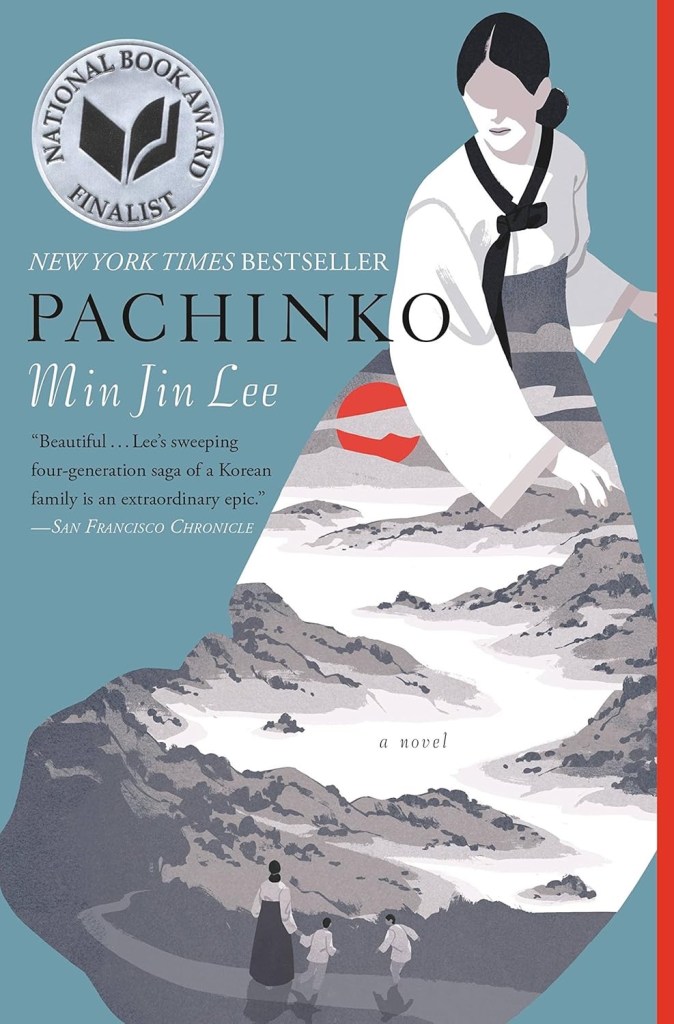
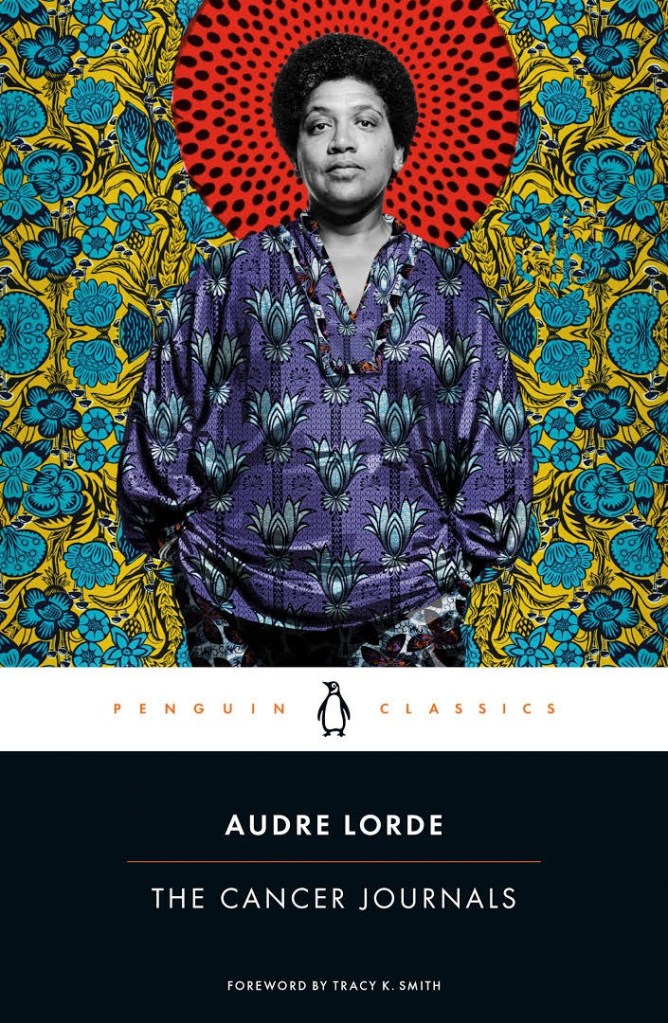
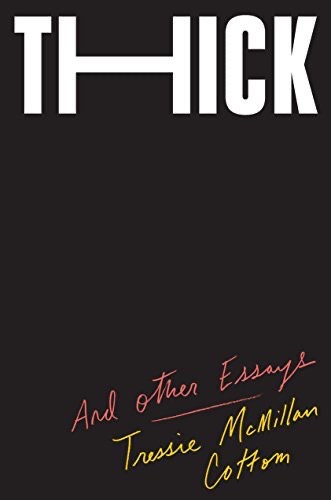
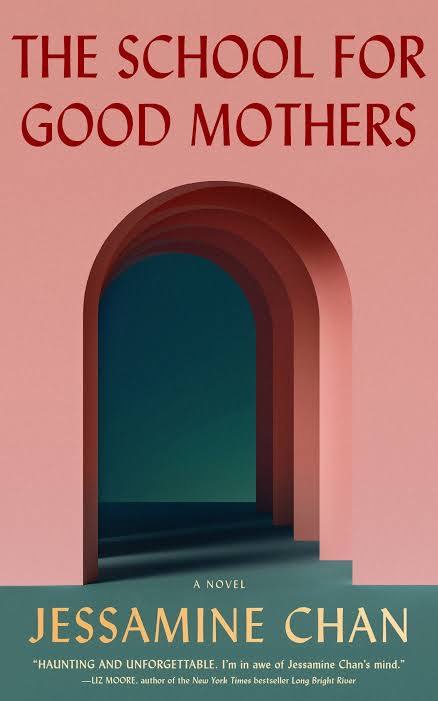
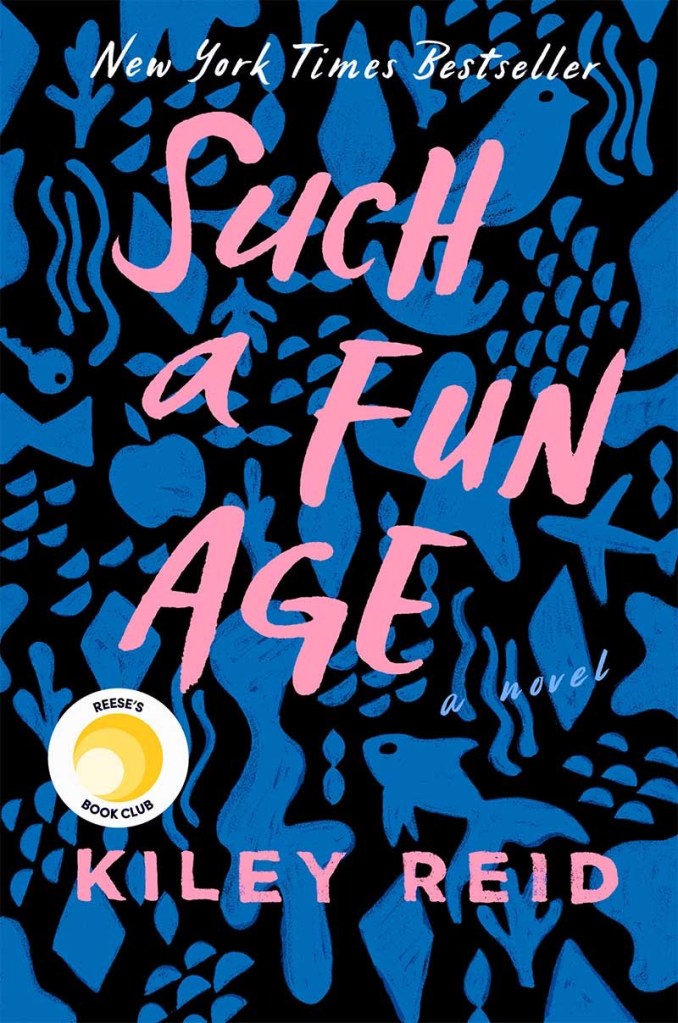
Students are encouraged to draw connections among social scientific data, sociological theory, and creative writing – memoirs, poetry, personal essays, and novels. I often pair creative writing with empirical articles to illustrate diversity in how sociological insights can be communicated to the public. Engagement with different forms of writing produces adaptable learners who can spot sociological concepts in the classroom, but also in their personal and professional lives.

